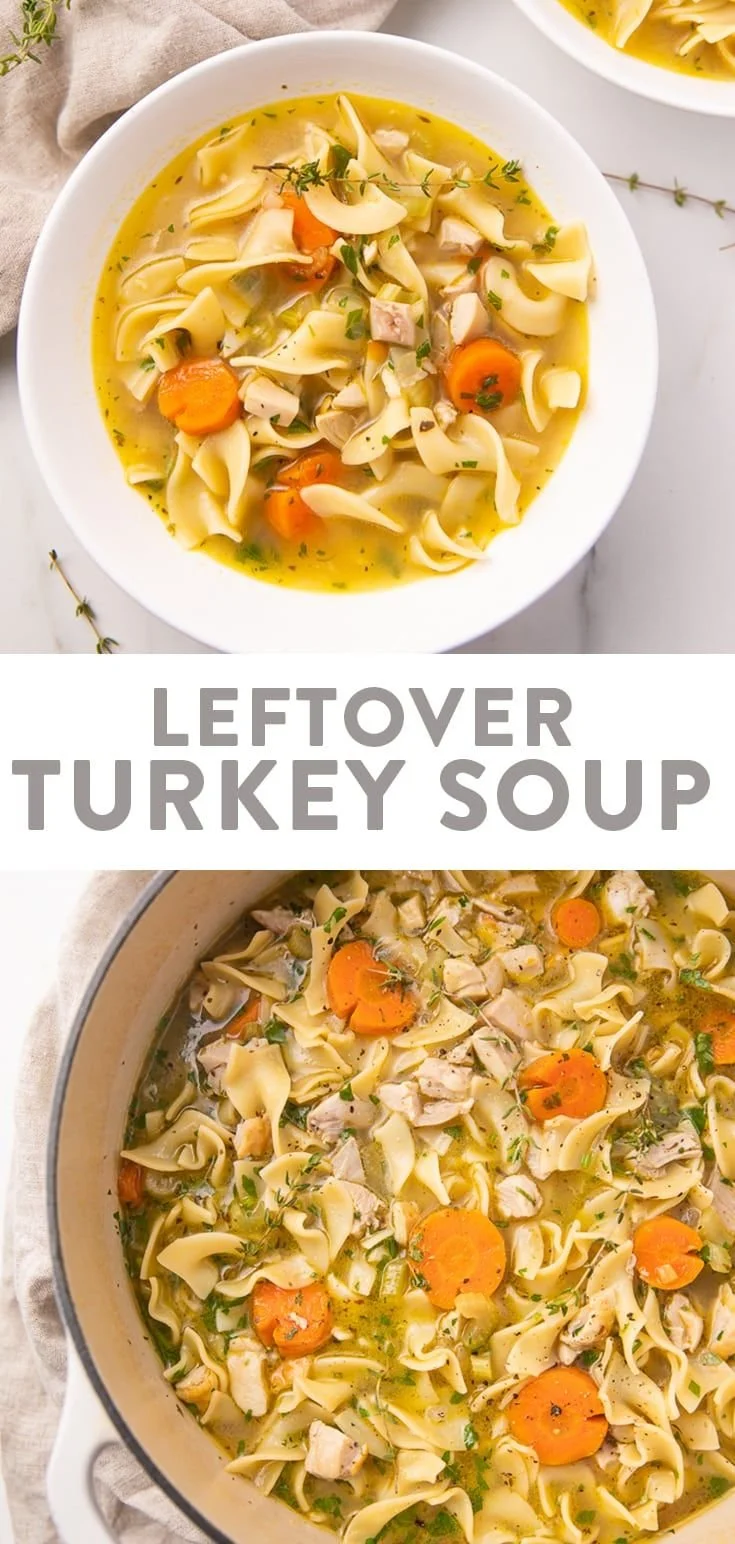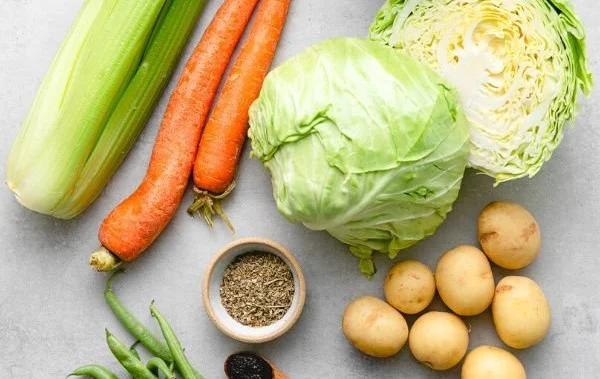
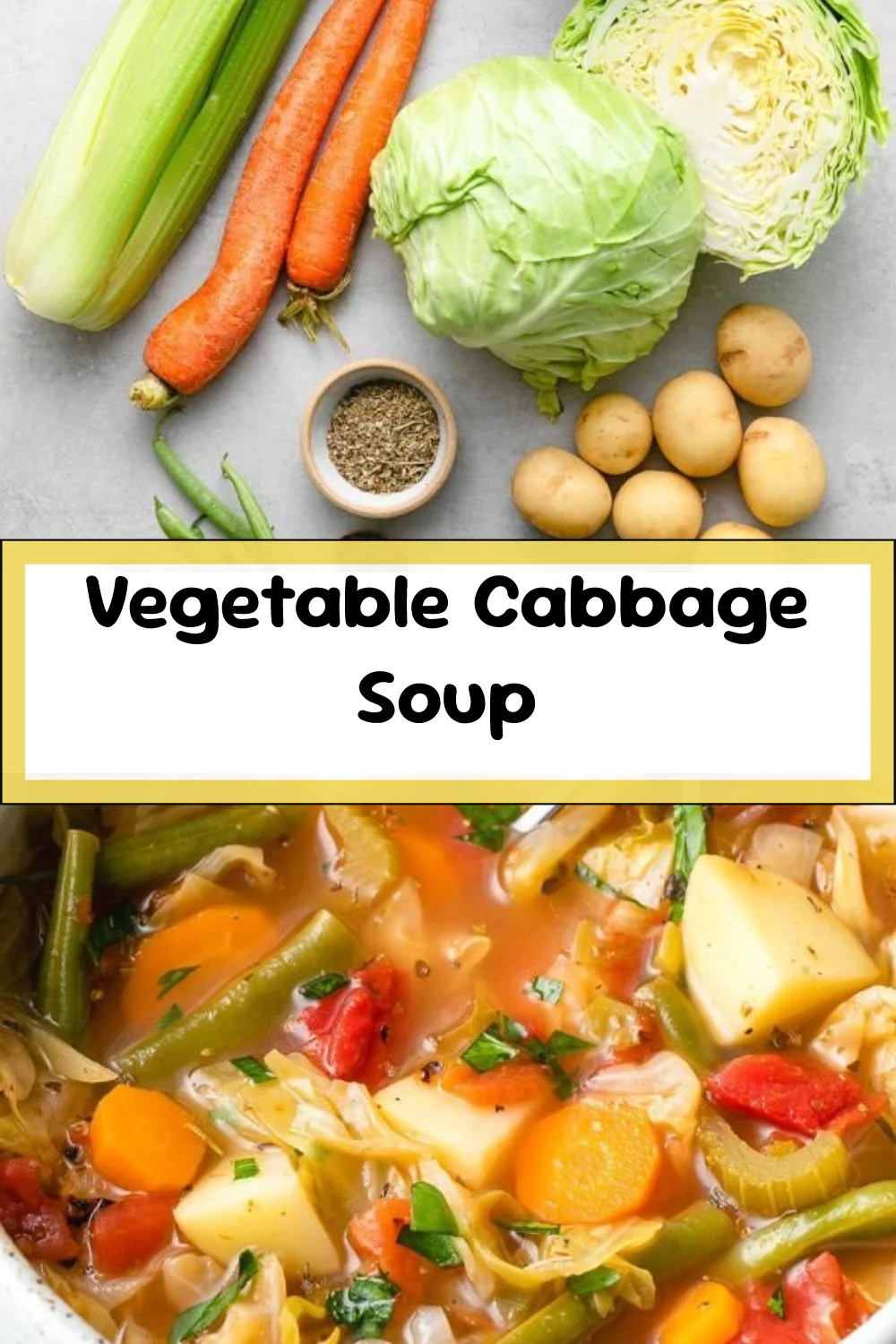
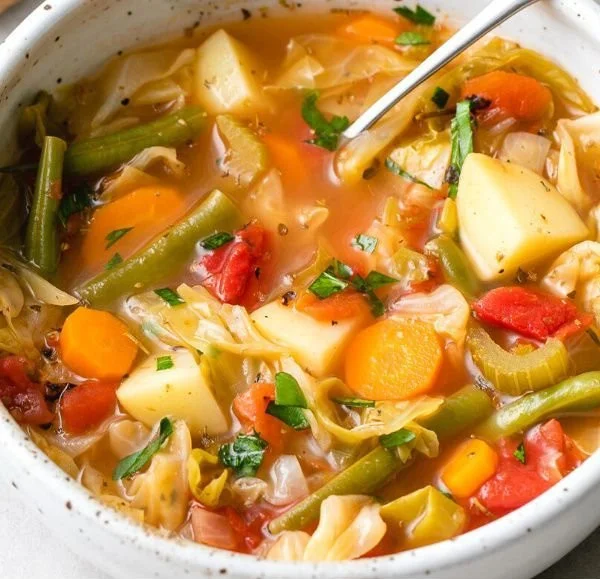
Vegetable Cabbage Soup is a delightful and nourishing dish that warms both the soul and the stomach. Packed with fresh vegetables and hearty flavors, this soup brings comfort without the guilt. It’s not only simple to make but also perfect for using up any leftover veggies in your fridge, making it a fantastic choice for a quick weeknight dinner.
Why You’ll Love Vegetable Cabbage Soup
- Healthy and Nutritious: Loaded with vitamins and minerals, this soup is rich in nutrients, making it an excellent option for those looking to boost their diet with wholesome ingredients.
- Budget-Friendly: Most of the ingredients are pantry staples or inexpensive produce, helping you save money while still enjoying a delicious meal.
- Quick to Prepare: With a total cook time of under an hour, you can whip up this soup on a busy weeknight or have it ready for meal prep in no time.
- Customizable: Whether you want to add protein, spice, or different vegetables, this recipe can be easily tailored to suit your taste preferences.
- Freezer-Friendly: Make a big batch and store it in the freezer for quick meals on days when you don’t feel like cooking.
Recipe Overview
- Prep Time: 15 minutes
- Cook Time: 30 minutes
- Total Time: 45 minutes
- Servings: 6
- Difficulty Level: Easy
Ingredients You’ll Need for Vegetable Cabbage Soup
-
Vegetables:
- 1 head of cabbage, chopped
- 2 carrots, diced
- 2 celery stalks, diced
- 1 onion, chopped
- 3 cloves of garlic, minced
-
Liquids:
- 4 cups vegetable broth
- 1 can diced tomatoes
-
Herbs and Spices:
- 1 teaspoon dried thyme
- 1 teaspoon dried oregano
- Salt and pepper to taste
-
Garnish (optional):
- Fresh parsley for garnish
Notes:
- Cabbage: Green cabbage works best, but you can also use Napa cabbage for a milder flavor.
- Vegetable Broth: Use low-sodium broth if you’re watching your salt intake. Feel free to substitute with chicken broth for a different flavor profile.
- Herbs: Fresh herbs can replace dried ones; just double the amount since dried herbs are more concentrated.
How to Make Vegetable Cabbage Soup
-
Sauté Vegetables: In a large pot, heat a splash of olive oil over medium heat. Add the onions, garlic, carrots, and celery. Sauté until softened, about 5 minutes.
-
Add Cabbage: Stir in the chopped cabbage and cook for another 3 to 5 minutes until it starts to wilt.
-
Combine Ingredients: Now, add the diced tomatoes, vegetable broth, thyme, oregano, salt, and pepper. Stir well to combine.
-
Bring to a Boil: Increase the heat and bring the mixture to a boil. Once boiling, reduce the heat to low and let it simmer.
-
Simmer and Cook: Allow the soup to simmer for 30 minutes, or until all the vegetables are tender. Stir occasionally.
-
Taste and Garnish: Once done, taste the soup and adjust seasoning as needed. Serve hot, garnished with fresh parsley if desired.
Tips for Success
- Cut Vegetables Uniformly: Make sure to chop your vegetables into similar sizes to ensure even cooking.
- Season Gradually: Add salt and pepper gradually while cooking to prevent over-seasoning. This allows you to adjust to your taste.
- Avoid Overcooking: Keep an eye on the soup as it simmers; you want the vegetables to be tender but not mushy.
- Use Fresh Ingredients: The fresher your vegetables, the better the flavor and texture of the soup.
Easy Variations
- Protein Boost: Add in cooked beans, lentils, or shredded chicken for additional protein.
- Spicy Twist: Add a pinch of red pepper flakes or a dash of hot sauce for some heat.
- Creamy Version: Stir in a splash of cream or coconut milk at the end for a creamy texture.
- Different Greens: Toss in spinach or kale during the last few minutes of cooking for added greens and nutrition.
What to Serve with Vegetable Cabbage Soup
- Crusty Bread: A slice of your favorite artisan bread complements the soup perfectly and is great for dipping.
- Grilled Cheese Sandwich: This classic pairing with a twist can turn your soup into a filling meal.
- Side Salad: A fresh salad can add a bright contrast in both flavor and texture to the warm soup.
- Rice or Quinoa: Serve the soup over cooked grains to make it heartier and more satisfying.
Storage and Reheating
- Refrigerator Storage: Store leftover soup in an airtight container in the refrigerator for up to 5 days.
- Freezer Storage: You can freeze this soup for up to 3 months. Just make sure to leave some space in the container as the soup will expand when frozen.
- Best Reheating Method: Reheat on the stove over medium heat until warmed through. If reheating from frozen, thaw in the fridge overnight before reheating.
- Preserve Texture: Avoid reheating in the microwave if possible, as it can lead to uneven heating and changes in texture.
Common Mistakes to Avoid
- Skipping the Sauté Step: Sautéing the aromatics first is vital for building a flavorful base, so don’t skip it.
- Crowding the Pot: Overloading your pot with too many vegetables can cause them to steam instead of sauté, leading to unappetizing texture.
- Neglecting Seasoning: Don’t forget to taste and adjust the seasoning before serving; this will enhance the overall flavor of the soup.
- Overcooking the Soup: Keep a watchful eye so the vegetables don’t cook down into mushiness.
Vegetable Cabbage Soup: Background & Cultural Inspiration
Cabbage soup has a rich history and is a staple in many cultures around the world. Variations can be found in Eastern European cuisines, such as the popular borscht in Ukraine. The soup is often associated with homestyle cooking, where families make use of seasonal vegetables. Its versatility makes it loved globally, and the base ingredients can easily be adapted to local produce.
Frequently Asked Questions
Can I make Vegetable Cabbage Soup in a slow cooker?
Yes, you can! Add all the ingredients to the slow cooker and cook on low for about 6-8 hours or on high for 3-4 hours.
What can I substitute for vegetable broth?
You can use chicken broth for a different flavor or simply water. Just be sure to adjust the seasoning accordingly.
How spicy is this soup?
This soup is mild as written. If you enjoy heat, consider adding red pepper flakes or fresh jalapeños during cooking.
Can I make this soup ahead of time?
Absolutely! The flavors will meld beautifully if made a day ahead. Just store it in the fridge and reheat before serving.
How can I increase the fiber content?
Add legumes like black beans, chickpeas, or lentils to boost the fiber content and add heartiness.
Final Thoughts
Vegetable Cabbage Soup is an excellent dish to make any time of the year, especially during cooler months. It’s not only quick and easy but also allows for endless customization while using ingredients you likely already have. Whether you are meal prepping or making a hearty dinner for your family, this soup will certainly satisfy. Enjoy the simple pleasures of cooking and share this comforting dish with those you love.
Vegetable Cabbage Soup
A delightful and nourishing soup packed with fresh vegetables and hearty flavors, perfect for a quick weeknight dinner.
Vegetables
- 1 head cabbage, chopped (Green cabbage works best, but Napa cabbage can be used for a milder flavor.)
- 2 pieces carrots, diced
- 2 stalks celery, diced
- 1 piece onion, chopped
- 3 cloves garlic, minced
Liquids
- 4 cups vegetable broth (Use low-sodium broth if monitoring salt intake.)
- 1 can diced tomatoes
Herbs and Spices
- 1 teaspoon dried thyme (Fresh herbs can replace dried, just double the amount.)
- 1 teaspoon dried oregano
- Salt and pepper to taste (Add gradually to prevent over-seasoning.)
Garnish (optional)
- Fresh parsley for garnish
Preparation
- In a large pot, heat a splash of olive oil over medium heat. Add the onions, garlic, carrots, and celery. Sauté until softened, about 5 minutes.
- Stir in the chopped cabbage and cook for another 3 to 5 minutes until it starts to wilt.
- Now, add the diced tomatoes, vegetable broth, thyme, oregano, salt, and pepper. Stir well to combine.
Cooking
- Increase the heat and bring the mixture to a boil. Once boiling, reduce the heat to low and let it simmer.
- Allow the soup to simmer for 30 minutes, or until all the vegetables are tender. Stir occasionally.
- Once done, taste the soup and adjust seasoning as needed. Serve hot, garnished with fresh parsley if desired.
Make a big batch and store it in the freezer for quick meals. Avoid microwaving to reheat, as it can lead to uneven heating.